
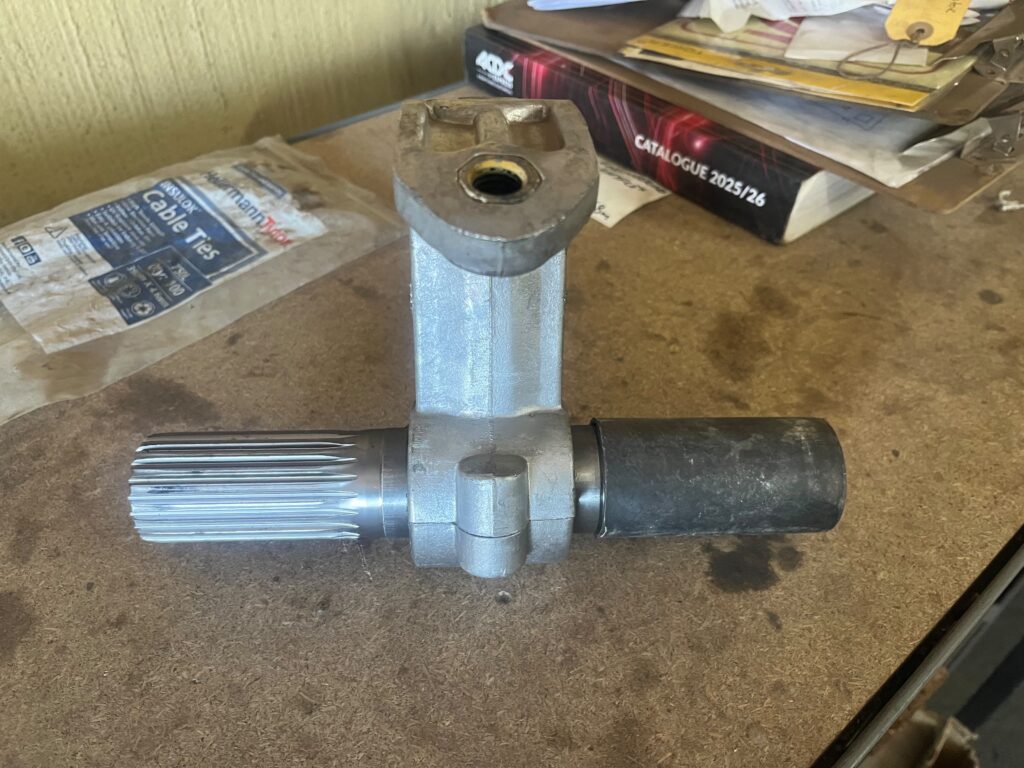
Your concrete batching plant is a symphony of moving parts, but few are as unglamorous—and as critical—as the humble hangar bearing. Tucked away inside your screw conveyors, this small component quietly supports thousands of kilograms of cement and fly ash day after day, year after year.
When a hangar bearing fails, the consequences are immediate and expensive. The screw conveyor jams. The cement stops flowing. The weigh batcher runs dry. The mixer stops. And your entire production line grinds to a halt.
In this guide, we will explain exactly what a hangar bearing is, why it matters so much in your concrete batching plant, how to spot the warning signs of failure, and when to schedule preventive maintenance.
What Is a Hangar Bearing?
A hangar bearing—also known as an intermediate hanger bearing or intermediate bearing—is a support component installed at intervals along the length of a long screw conveyor. It serves two critical functions:
- Support: It holds the rotating screw shaft at intermediate points, preventing it from sagging under the weight of the material being conveyed.
- Alignment: It maintains shaft alignment across multiple screw sections, reducing bending, vibration, and mechanical stress during operation.
In a concrete batching plant, screw conveyors can be 12 meters or longer and operate at inclinations exceeding 45 degrees . Without hangar bearings at regular intervals (typically every 3 to 4 meters), the screw shaft would deflect, bind against the trough, and eventually seize.
Why Hangar Bearings Are Critical in Concrete Batching
The operating environment inside a concrete batching plant is unforgiving. Cement is abrasive, fine, and highly prone to bridging and compaction. The screw conveyor works continuously, often 24/7, moving powder from storage silos to the weigh batcher with precision.
A worn or failing hangar bearing introduces play into the screw shaft. This play causes the screw flighting to rub against the trough, leading to:
- Increased wear on the screw flighting: Abrasive cement grinds down the flighting edges, reducing conveying efficiency.
- Motor overload: The motor works harder to turn a misaligned shaft, drawing excessive current and overheating.
- Jamming and stalling: A sagging screw can bind completely, stopping production and requiring manual clearing .
- Contamination: Worn bearings can shed metal particles into the cement, compromising mix quality.
As one maintenance guide puts it: “A worn hangar bearing can cause the screw to sag and jam”.
The Anatomy of a Hangar Bearing
Most hangar bearings used in concrete batching plants are constructed from durable materials designed to withstand abrasive dust and heavy loads. Common specifications include:
- Aluminium alloy housing: Lightweight yet strong, with good corrosion resistance in dusty environments.
- Splined steel shaft: Allows for secure coupling between screw sections and handles high torque loads.
- Labyrinth seals: Prevent cement dust from entering the bearing chamber and contaminating the lubricant.
- Grease nipples: Allow for periodic lubrication to extend bearing life.
Premium bearings may feature self-lubricating designs that eliminate routine greasing, while others offer manual adjustment handles for precise alignment. The choice depends on your conveyor length, load capacity, and maintenance philosophy.
Warning Signs of a Failing Hangar Bearing
Early detection of hangar bearing failure is essential to avoid costly downtime. Here are the telltale signs to watch for:
1. Unusual Noises
Grinding, scraping, or rattling sounds coming from the screw conveyor are often the first indicator of bearing wear. As one concrete batch plant maintenance guide advises: “Listen to each bearing on the mixer and conveyors. If you hear grinding, schedule a maintenance task for that bearing immediately”.
2. Increased Motor Load
Monitor motor amperage. A gradual increase in current draw suggests the bearing is binding and forcing the motor to work harder.
3. Vibration
Excessive vibration at the conveyor tube often indicates shaft misalignment caused by a worn or collapsed bearing.
4. Lubricant Leakage
If you see grease or oil seeping from the bearing housing, the seals have likely failed, allowing cement dust to enter and accelerate wear.
5. Reduced Throughput
If the conveyor is moving less material than usual at the same motor speed, the screw may be slipping or binding due to bearing wear.
Preventive Maintenance: Extending Hangar Bearing Life
Regular maintenance is the most cost-effective way to maximize hangar bearing life and minimize unplanned downtime. A typical maintenance schedule includes:
Monthly Checks
- Inspect hangar bearings for visible wear, play, or damage.
- Ensure proper lubrication. Grease bearings according to the manufacturer’s specifications .
- Listen for unusual noises during operation.
Quarterly Checks
- Check flighting edges for wear caused by a sagging screw.
- Inspect trough and seals for cement dust ingress.
Annual Full Inspection
- Conduct a thorough inspection of the entire conveyor, including all bearings, seals, and spouts.
- Replace any bearings showing significant wear or play.
- For longer screw conveyors, consider installing inspection hatches at each hangar bearing location. This allows maintenance staff to access and inspect bearings without disassembling the entire conveyor.
When to Replace a Hangar Bearing
Replacement is inevitable. The abrasive nature of cement means that no bearing lasts forever. However, replacing a hangar bearing before it fails catastrophically is far more cost-effective than dealing with a jammed conveyor and hours of lost production.
Replace immediately if you observe:
- Excessive radial or axial play in the screw shaft.
- Visible wear on the bearing housing or shaft.
- Seized or locked bearings.
- Signs of overheating or discoloration.
For high-demand plants, keep spare hangar bearings in stock for your most common screw conveyor diameters (219mm, 273mm, and 323mm are common sizes). A waiting period for parts can turn a one-hour repair into a multi-day shutdown.
Selecting the Right Hangar Bearing
When sourcing a replacement hangar bearing for your concrete batching plant, consider these factors:
- Screw conveyor diameter: Bearings are sized to match the outer diameter of the conveyor tube. Common sizes include 6-inch (152mm), 9-inch (219mm), 10.7-inch (273mm), and 12.7-inch (323mm).
- Load capacity: Match the bearing to the weight and torque requirements of your conveyor.
- Material: Aluminium alloy is standard for most cement applications, offering a balance of weight and durability.
- Sealing: Choose bearings with effective dust seals (labyrinth or lip seals) to prevent cement ingress.
- Lubrication: Decide between manual greasing or self-lubricating options based on your maintenance capabilities.
The Bottom Line
The hangar bearing is a small component with a massive responsibility. It supports the screw conveyor that moves thousands of tonnes of cement every year. Neglect it, and your production stops. Maintain it, and it rewards you with years of reliable service.
Regular inspections, proper lubrication, and prompt replacement of worn bearings are not optional—they are the foundation of a profitable and efficient concrete batching plant.