
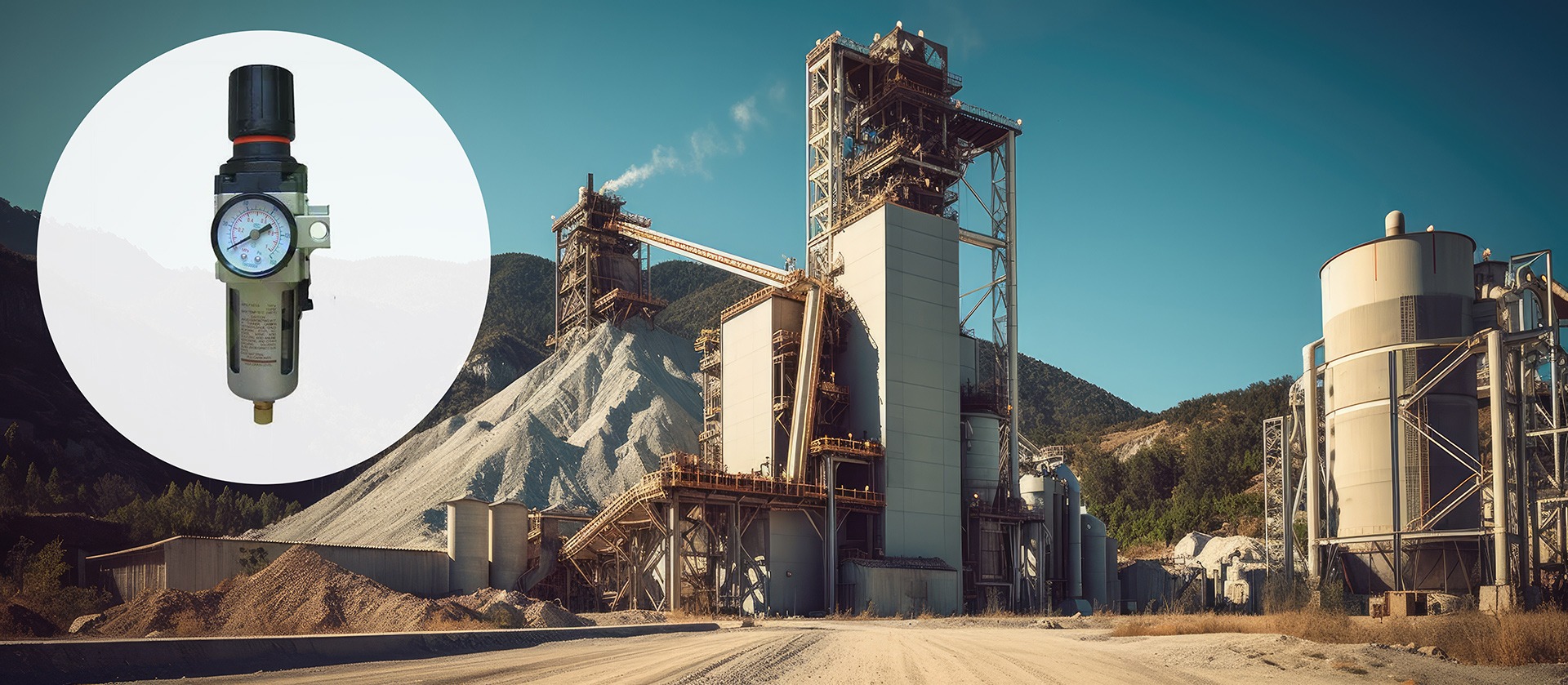
Maintaining Pneumatic Efficiency with an Air Regulator with Water Trap
The operational reliability of a cement batching plant is heavily dependent on the performance of its pneumatic systems. These systems control various valves and gates within the silo structure and the various scales. However, compressed air often contains moisture and contaminants that can jeopardise equipment functionality. Installing a robust air regulator with water trap is therefore imperative for maintaining optimal performance in South African readymix concrete plants.
The Critical Role of Air Quality in Silo Operations
Pneumatic components within a cement silo require clean, dry, and pressure-stable air to function correctly. Moisture in the air lines can lead to the accumulation of damp cement dust, causing blockages in the silo or lumps of cement build up in the silo. An air regulator with water trap serves a dual purpose: it stabilises the air pressure to ensure consistent valve actuation and removes condensate before it enters the sensitive machinery. In the African context, where humidity levels can fluctuate significantly between coastal and inland regions, the risk of condensation is heightened. Furthermore, the dusty environment typical of construction and batching sites increases the likelihood of contaminant ingress. Without adequate filtration and moisture separation, the lifespan of pneumatic actuators is significantly reduced.
Preventing Downtime Through Moisture Management
Failure to utilise an effective air regulator with water trap can result in costly downtime. When moisture mixes with cement powder, it creates a hardened sludge that can block air lines and seize valves. Rectifying this issue often requires extensive manual cleaning and part replacement, halting production schedules. By integrating high-quality regulation and filtration units, plant managers can mitigate these risks. Our supplied units are designed to withstand the rigorous demands of industrial batching plants. They feature durable bowls for water collection and precise regulation mechanisms that maintain pressure despite fluctuations in the main compressor supply.
Maintenance and Operational Best Practices
To maximise the efficacy of an air regulator with water trap, regular maintenance is essential. Operators should inspect the water trap bowl frequently and drain accumulated condensate before it reaches the maximum level. Additionally, the regulator gauge should be checked to ensure it maintains the manufacturer’s recommended pressure settings. In conclusion, the integrity of your silo’s pneumatic system relies on the quality of its air preparation components. Investing in a reliable air regulator with water trap ensures consistent operation, reduces maintenance costs, and protects your machinery from the harsh environmental conditions prevalent across South Africa and the African continent.